By Almas Khattak
A place in the wider conversation
The 81st United Nations General Assembly (UNGA) in New York was an important and genuinely enriching experience for us. More than anything, UNGA81 reinforced how broad, inclusive, and interconnected the global health space around the General Assembly has become.
What struck us most was that global surgery no longer needs to sit only within specialist surgical forums. Throughout the week, discussions on Universal Health Coverage, pandemic preparedness, development, innovation, brain health, stroke, emergency and critical care, digital health, health-system resilience and equity all had clear relevance to surgical, obstetric, trauma, and anesthesia care.
For us, this was one of the strongest messages of the week: global surgery belongs within the wider global health conversation.
Our G4 Alliance presence reflected that breadth. We were able to engage across formal United Nations meetings, global health forums, side events, bilateral discussions and networking opportunities, while also strengthening relationships within our Alliance.
One particularly meaningful part of the week was bringing members of the G4 Alliance Board of Directors together in New York. We remain very grateful to Smile Train for generously hosting our Board meeting at its headquarters, and especially to Sarah Hamilton and the Smile Train team for their warm hospitality and support. Beyond the formal meeting itself, it was valuable to bring together Board members, Permanent Council colleagues, member organizations and partners who were already in New York and create space for discussion, connection, and collaboration.
The Global Brain Economy Summit and the UN Brain Days.
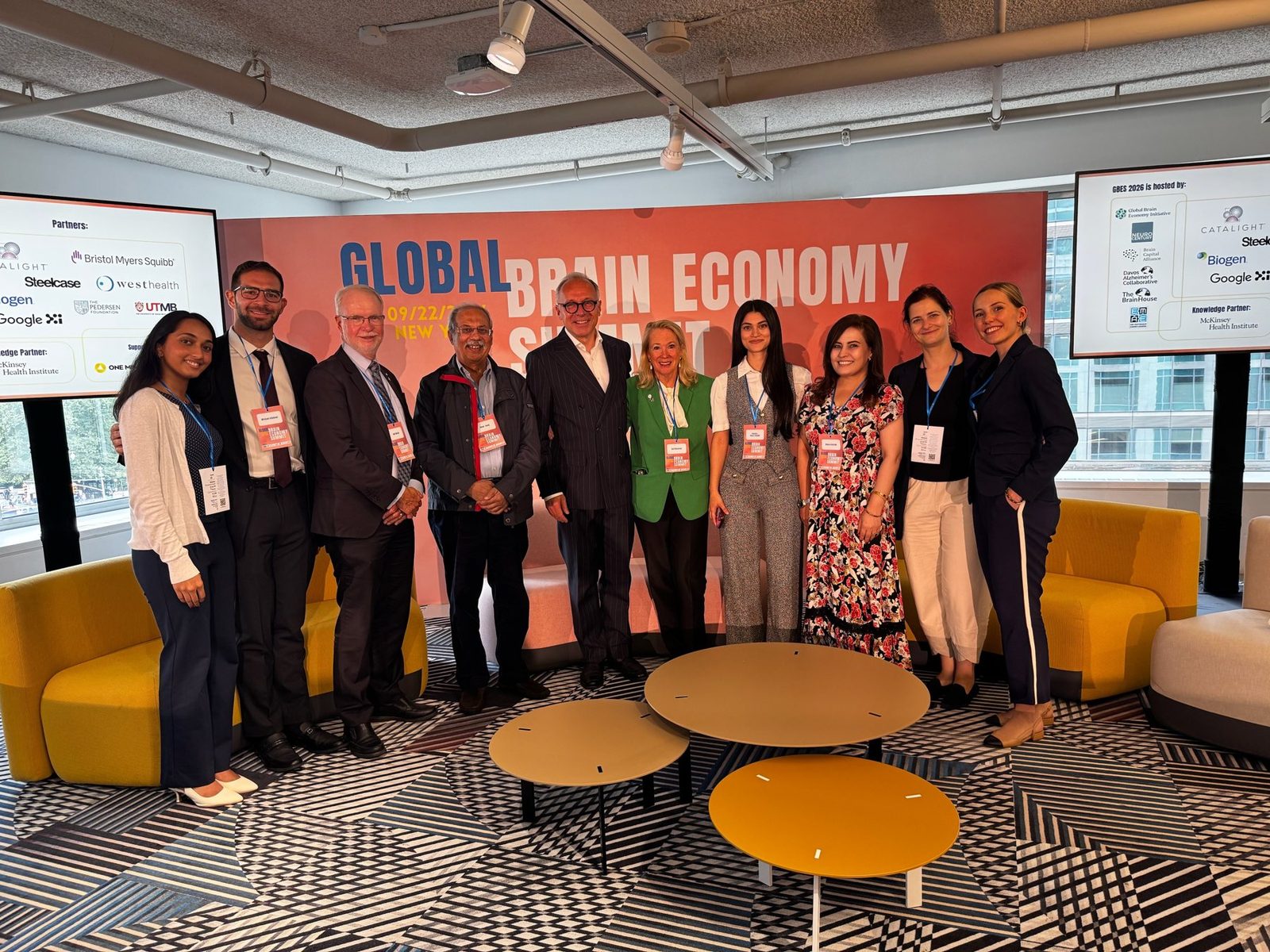
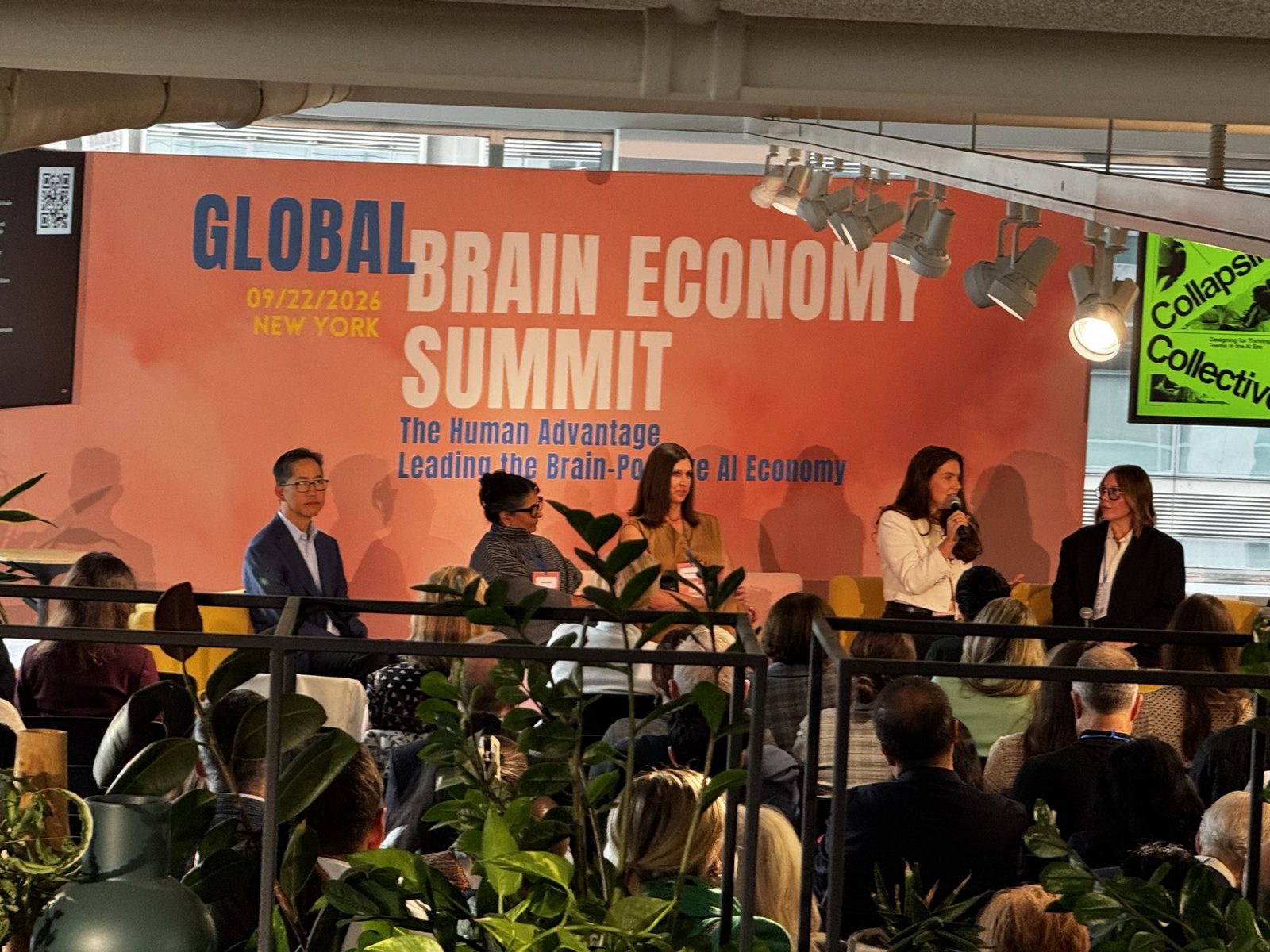
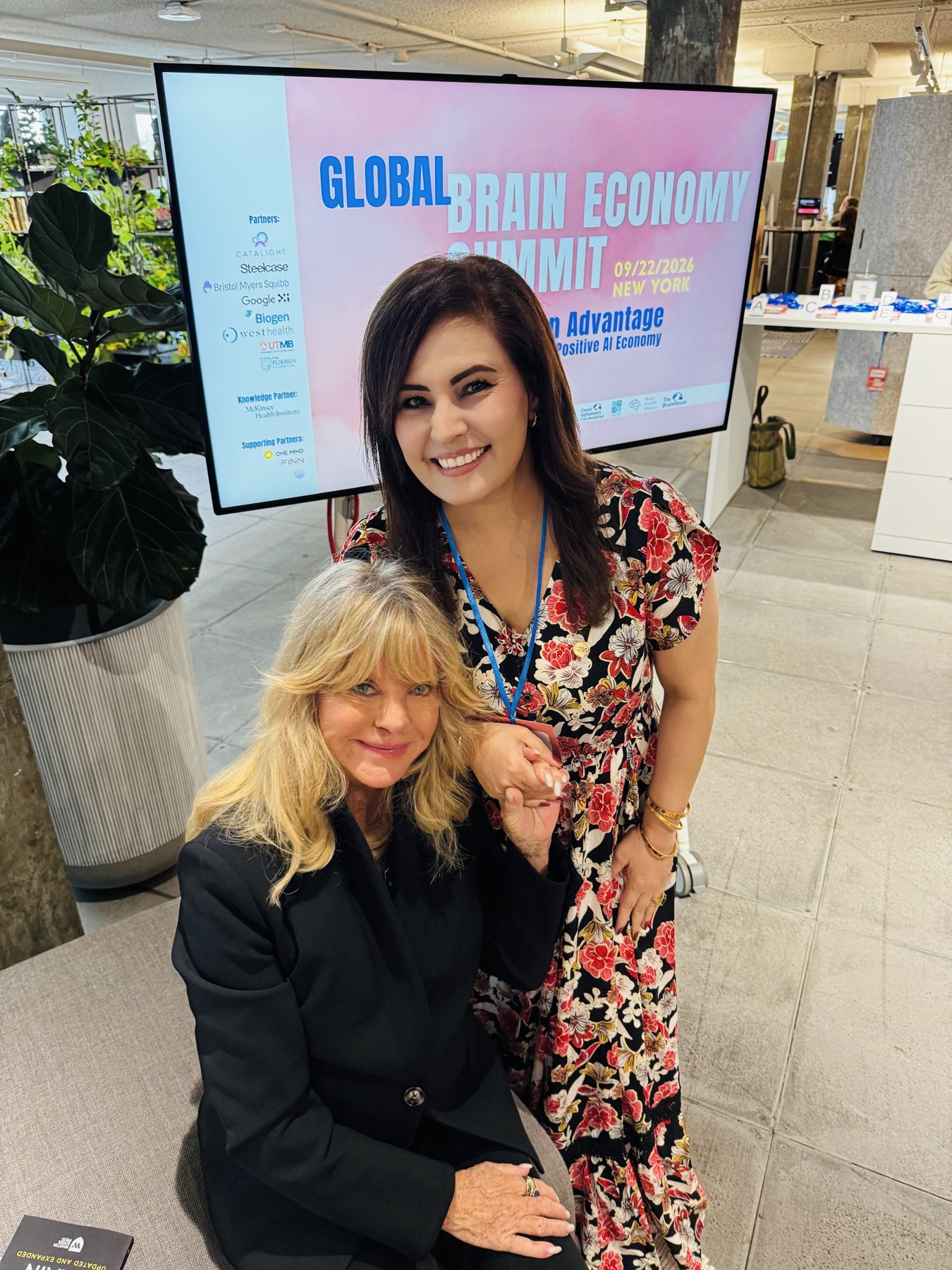
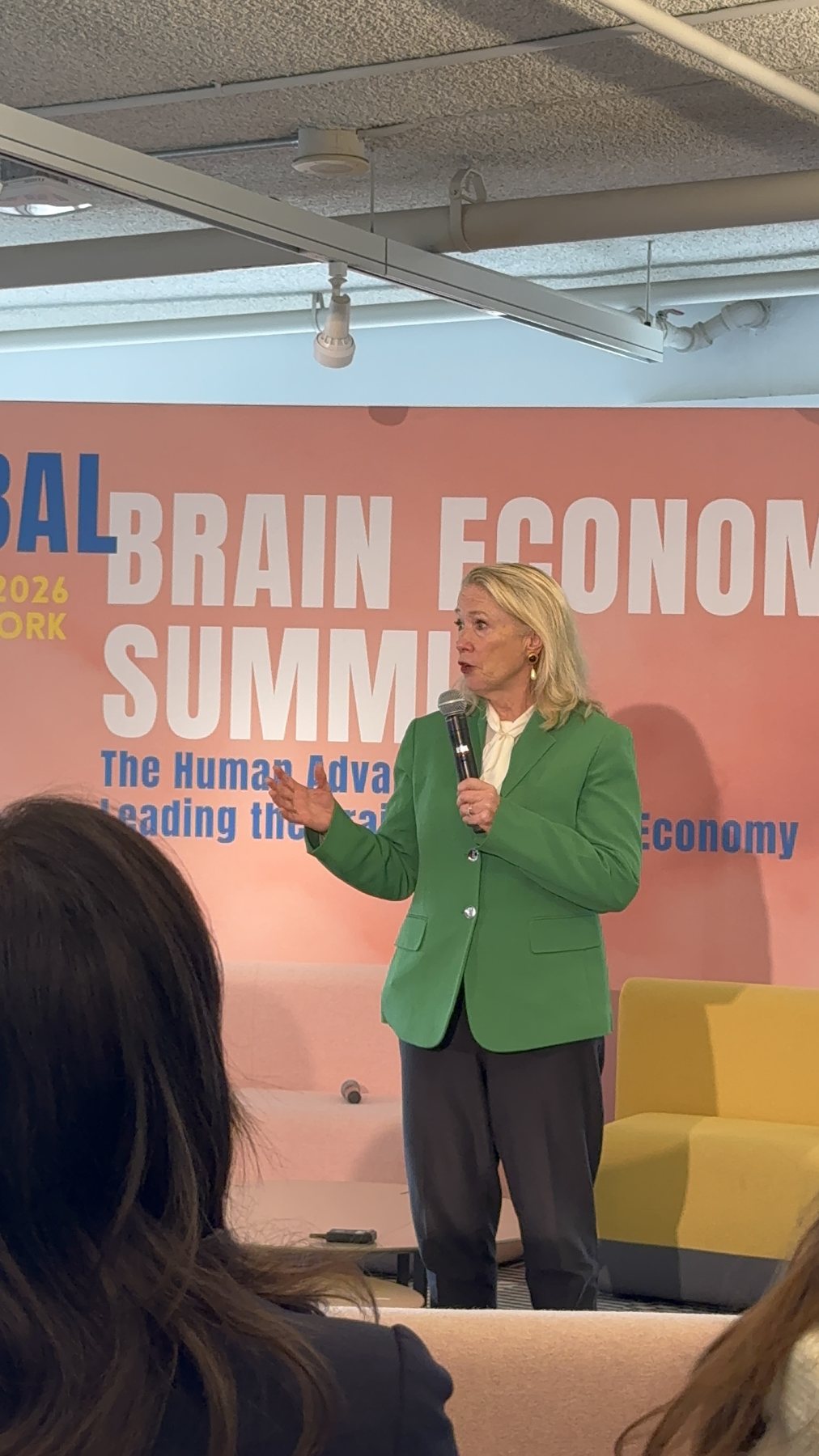
At the Global Brain Economy Summit, our Board Chair Dr Gail Rosseau represented the G4 Alliance and the Global Coalition for Traumatic Brain Injury, helping bring injury, surgery, and health systems into a wider conversation about brain health, human capability, productivity, and development.
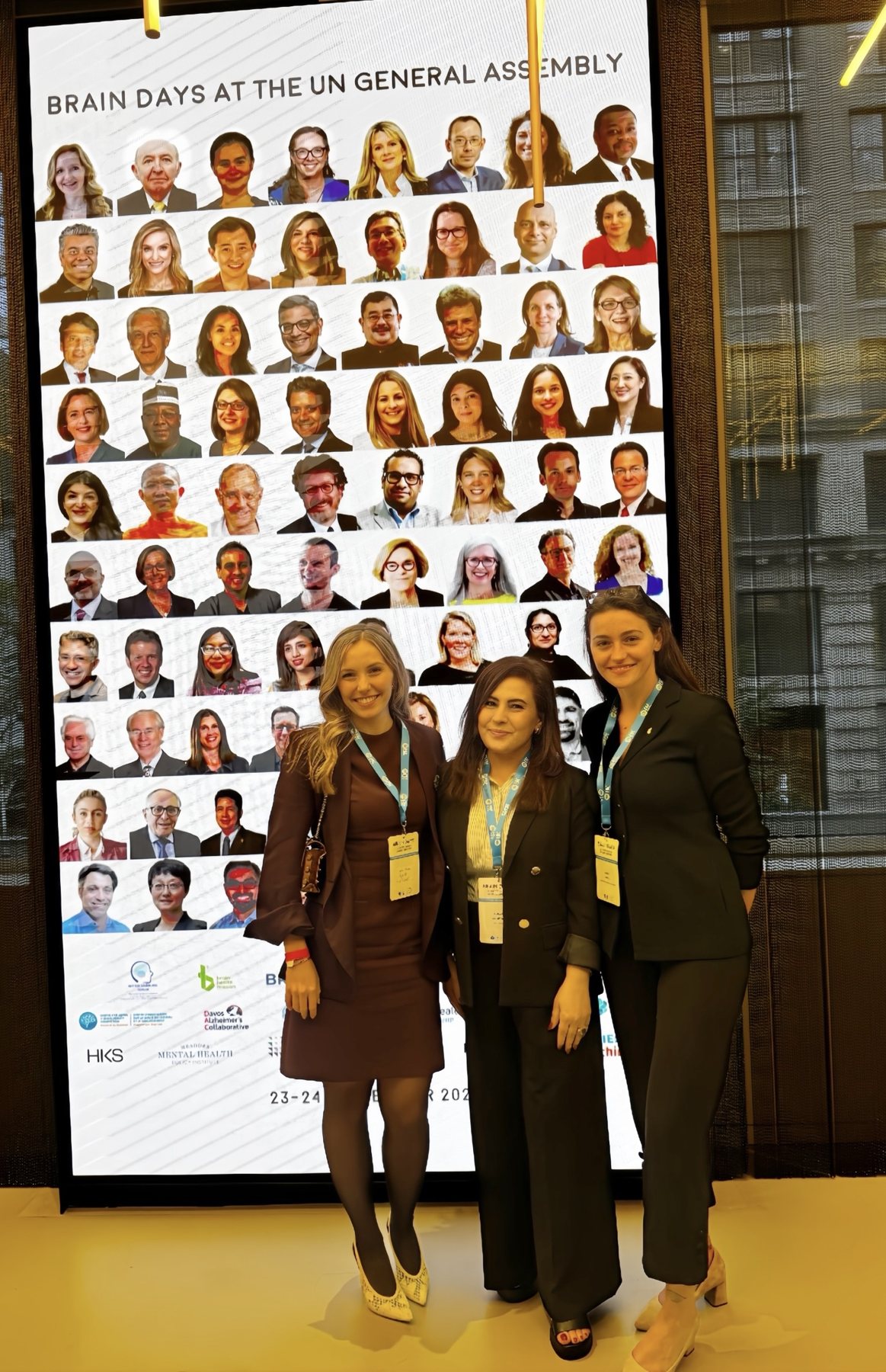
At the UN Brain Days, convened by the European Brain Council to move toward a UN Brain Health Resolution, the Global Coalition for Traumatic Brain Injury was actively represented and advocated for brain injury to be recognized within the broader global brain-health agenda. We emphasized that traumatic and other acquired brain injuries should not remain peripheral to discussions on brain health, and that surgical and neurosurgical care, trauma systems, rehabilitation, and long-term recovery must be part of that wider framework.
The Brain Days gave us the opportunity to engage with leaders from neuroscience, research, advocacy, policy, international organizations, and patient communities, while building new relationships around traumatic brain injury, global neurosurgery, road safety, and health systems. For us, the wider value was clear: the global brain-health agenda is stronger when it includes injury and the surgical dimensions of care, alongside prevention, rehabilitation, and long-term outcomes.
G4 Alliance Leadership in CoNGO
G4 Alliance Executive Director Colin McIff was elected Vice Chair of the Conference of NGOs (CoNGO) new substantive Committee on Global Health and Health Systems.
CoNGO was founded in 1948 to support meaningful NGO engagement with governments and United Nations entities on issues of global, regional, and national concern. The first meeting of the new Committee was held on September 22 in New York. G4 Alliance Permanent Council President Neil Wetzig attended in person, with Executive Director Colin McIff, Natalie Sheneman, and Permanent Council Vice President Richard Henker joining online.
The Committee aims to advance health, well-being, equity, resilient health systems, and sustainable development through coordinated civil society engagement with the United Nations. The G4 Alliance has been actively involved in the formation of the Committee, reflecting its commitment to coalition-based advocacy and health systems strengthening.
Locally led surgical care
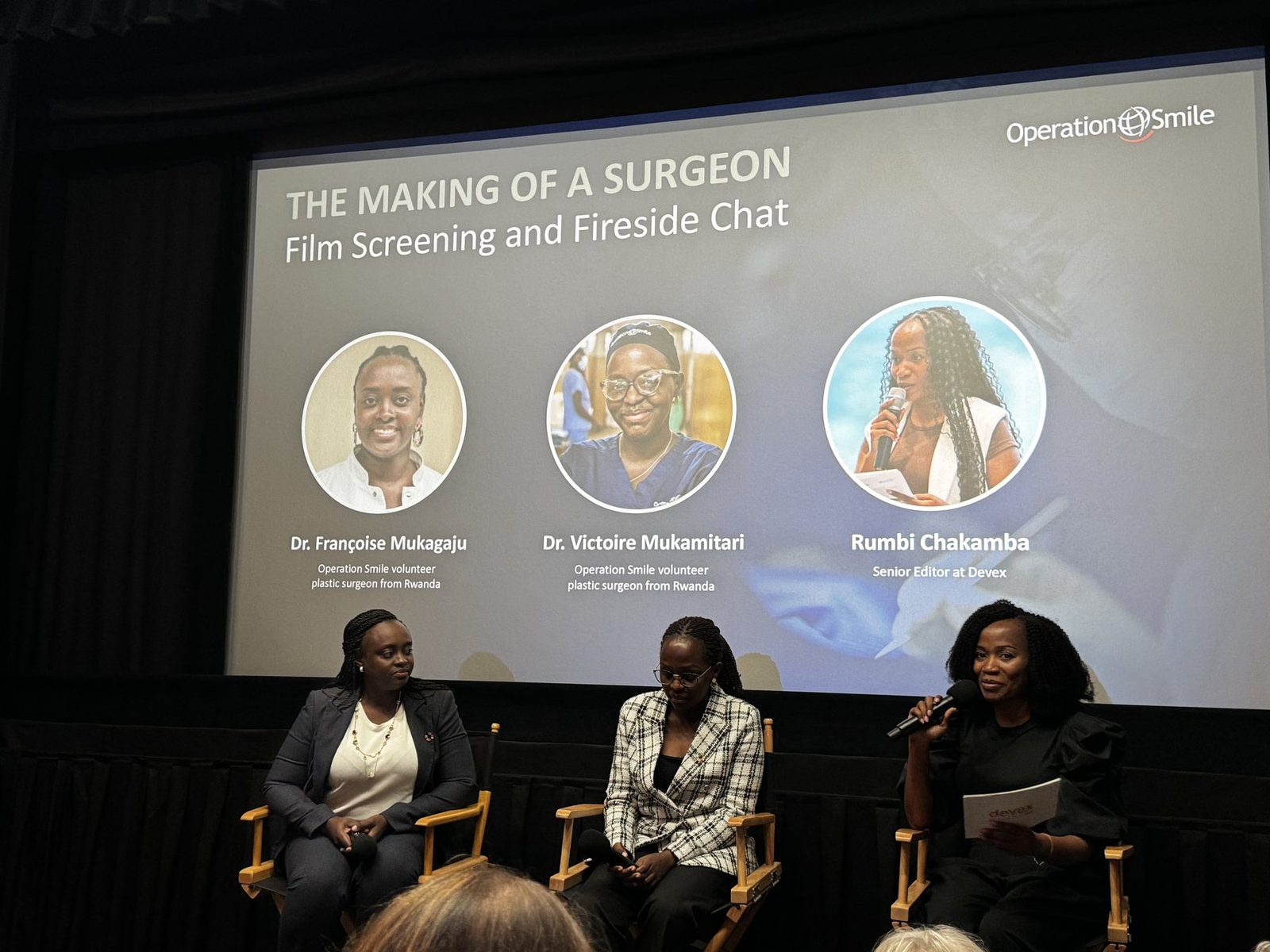
One of the most memorable moments of UNGA81 was the Operation Smile documentary screening, The Making of a Surgeon: Fighting Africa's Hidden Crisis. The documentary highlighted the importance of strengthening locally led surgical training and reconstructive surgical capacity. What made the evening particularly special was meeting Dr Bill Magee and Kathy Magee, the founders of Operation Smile, and hearing directly how their work began and how it grew into a global movement.Their story stayed with us. It was a reminder that transformative global initiatives often begin with seeing a need clearly, acting on it, and then sustaining that commitment through partnerships, perseverance, and time.
Data, acute care and development
Our engagement also extended to stroke-focused events, the Surgical Data Science Collective event, discussions on integrated emergency, critical and operative care, and two formal UN High-Level Meetings.The discussions about strokes were particularly relevant to the wider acute-care continuum, connecting prevention, emergency response, specialist care, rehabilitation, and health system readiness.
The Surgical Data Science Collective event was equally thought-provoking, particularly in relation to how artificial intelligence and data science are entering surgery and health systems. For us, the key issue is not simply whether innovation is technically advanced, but whether it is safe, measurable, equitable, and usable in settings where the need is greatest.
Our attendance at the High-Level Meeting on the 40th anniversary of the Declaration on the Right to Development, where the G4 Alliance was represented by Dr Gail Rosseau and Dr Neil Wetzig, also resonated strongly with us. Access to safe surgical, obstetric, trauma, and anaesthesia care remains deeply unequal within and between countries. In that context, access to essential health services cannot be separated from people's ability to participate fully in social and economic development.
At the High-Level Meeting on Pandemic Prevention, Preparedness, and Response, where the G4 Alliance was again represented by Dr Rosseau and Dr Wetzig, the relevance of surgical and anaesthesia systems was equally clear. Oxygen systems, critical care, infection prevention and control, emergency response, operating theatres, supply chains, and trained clinical teams are not peripheral to preparedness; they are part of the resilient health systems countries depend upon in both routine care and crises.
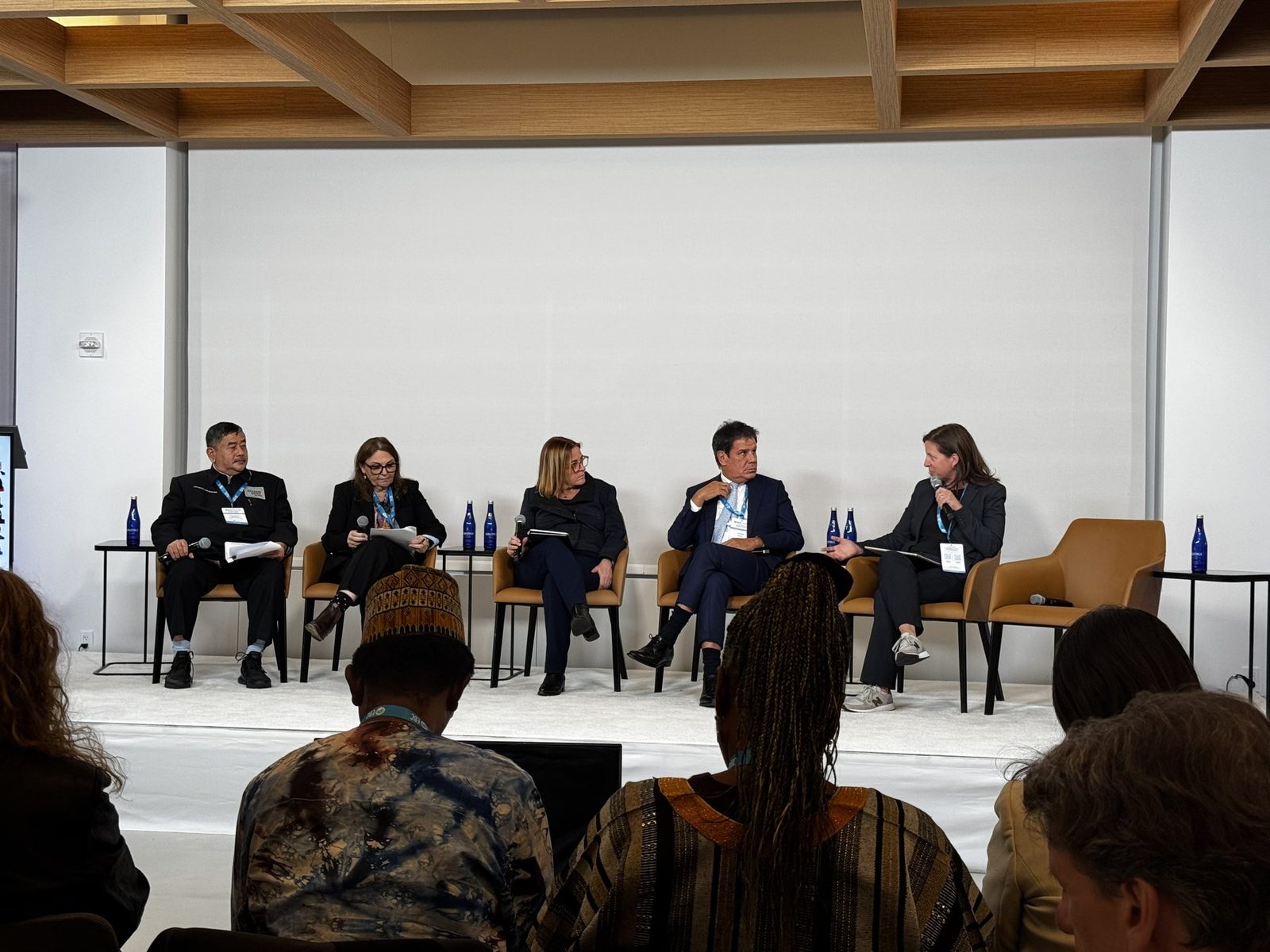
The Alliance also had a visible presence around the WHO Acute Care Action Network during UNGA week. Neil Wetzig, our newest Board Director and International Federation for Emergency Medicine President Dr Janis Tupesis, and Board Director John Sampson participated in the discussions, with G4 Alliance representatives speaking both from the panel and from the floor. This was closely aligned with one of our core priorities: advancing integrated emergency, critical, and operative care rather than treating emergency medicine, critical care, anaesthesia, surgery, and trauma services as isolated systems.
From presence to partnership
But perhaps the greatest value of UNGA was not only in the formal sessions. Some of the most useful conversations happened between meetings, but in corridors, over lunches, during receptions, and through bilateral discussions. We met Member State representatives, international organizations, professional societies, researchers, civil society organizations, G4 Alliance member organizations, and potential new partners. Many of those conversations have already led to follow-up discussions and opportunities for collaboration.
That, for us, is one of the unique strengths of UNGA. The General Assembly remains the world's principal intergovernmental forum, but the ecosystem surrounding UNGA has become much broader. Governments, UN agencies, civil society, academia, professional organizations, foundations, patient advocates, innovators, and global health communities all share the same space.
Health was highly visible throughout the week; what I found particularly encouraging was the willingness to connect health with development, resilience, equity, technology, financing, and human rights.
For global surgery, that openness creates an important opportunity. We were not in New York simply to advocate for more surgery. We were there to demonstrate that surgical, obstetric, trauma, and anaesthesia care are essential components of functioning health systems and sustainable development.
We left UNGA81 with new relationships, strengthened partnerships, and a much stronger sense that the global surgical community belongs within these wider global health discussions.
The next step is clear: to turn presence into partnership, partnership into policy, and policy into stronger health systems for the patients and communities we collectively serve.